
Arrest Warrants in Sumter County
An arrest warrant in Sumter County is a judge's order. It tells an officer to arrest the person named in it. The paper can grow out of a complaint or another lawful charging step, and the charge, the arrest, and the warrant's status are separate facts recorded at different points in a case. Circuit Court and District Court form the state trial route. Municipal courts issue process for their own ordinance and traffic matters. The authority that issued the Sumter County warrant matters, because its clerk receives the return while the serving agency records execution. A full answer can require both sides of that trail.
Sumter Criminal Records Route
The Sumter Circuit Clerk keeps the records for Circuit and District Courts and manages their business. Warrants is one listed division. Records are electronically imaged. Most trial-court material sits behind the paid Just One Look system, though some cases never reach the electronic docket. Use the portal for case access in Sumter County, not as a complete active-warrant list.
- Search by a known case or identifying record through the official court system.
- Call the Circuit Clerk at (205) 652-2291 with the case number if known.
- Ask which court issued the process and what the displayed status means.
- Use official sheriff contact for service or surrender details the court does not hold.
A city ordinance or traffic case belongs to that municipal court, so call the city court directly rather than treating a Sumter County state-court record as controlling.
What a Sumter County Arrest Warrant Contains
Alabama Rule of Criminal Procedure 3.2 sets the core contents of a Sumter County arrest warrant. It names the court and the defendant. It states the offense and the arrest command. Blank Alabama forms also reserve space for issue details, execution, and return, though public access varies where a record is restricted.
| Court or authority | The judge, magistrate, and court tied to the process. |
|---|---|
| Defendant | The person the warrant directs an officer to arrest. |
| Offense or grounds | The allegation or lawful basis stated in the process. |
| Case number | The court identifier used for record routing, such as CC-CASE-RECORD. |
| Execution and return | The manner and date of execution and return to the named clerk. |
That identifier is a sample label only. It is not a real Sumter County case number, and a blank form's structure proves nothing about any person.
Any Alabama Officer May Execute
Rule 3.3 directs an arrest warrant to law enforcement. Any Alabama officer may execute it. Execution means arrest. The officer endorses the manner and date, then returns the Sumter County warrant to the clerk named in it. A warrant therefore does not need a county web listing before another Alabama officer can act on it. Alabama Code §15-10-2 governs execution at any day or time, notice, showing the warrant, and entry conditions. The statute is authority, not a schedule. It promises no phone call first. Case facts and officer conduct remain specific.
Note: Current warrant status must come from the issuing authority, not from assumptions about where or when service might occur.
How Sumter County Arrest Warrants Are Served
Service is the arrest itself. Rule 3.3 governs it. Afterward the return tells the clerk how and when execution occurred, and the serving officer and the clerk can each hold a different piece of the record. A returned Sumter County warrant does not dismiss the charge. In court usage, return means finished paperwork going back to the court. Sumter County publishes no service schedule, no warrant-unit line, and no advance-notice rule. The sheriff page promises no call before arrest either. Do not test status through police contact or dodge service. Confirm the court record, get legal advice, and arrange only the appearance or surrender that officials approve.
Sumter Sheriff Page Has No Roster
The official Sheriff/Jail page names the county office. It shows what Sumter County actually publishes, and that is no searchable warrant roster, no most-wanted list, no records-request form, and no warrant hours or bond window. A missing list proves nothing. It is not evidence that no Sumter County arrest warrant exists. Status work still has to run through the court, the clerk, and direct official channels. Check it for what the sheriff's office itself posts.
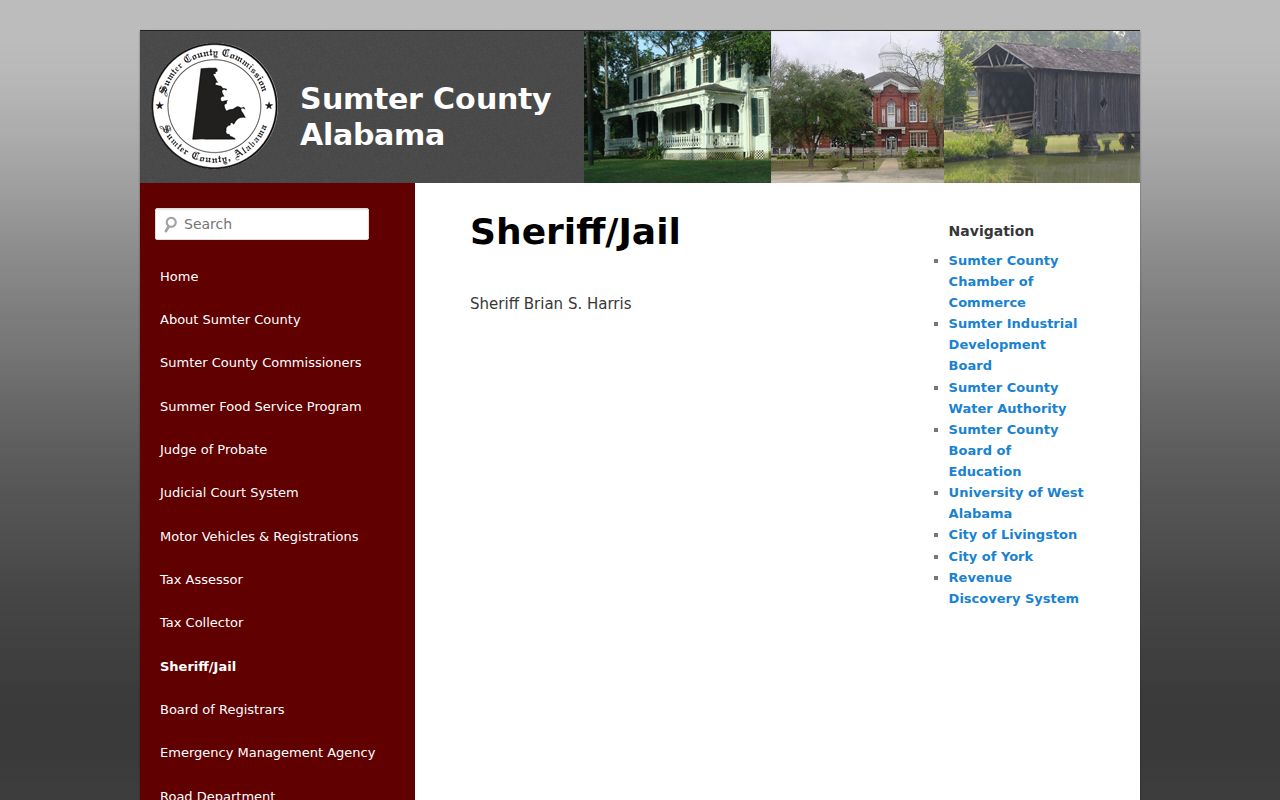
The sheriff's page shows what Sumter County publishes on its own site, and any warrant check still runs through the clerk and the courts.
Arrest Warrant vs Summons vs Bench Warrant
These court papers are related but not interchangeable. Rule 3.1 allows a summons when circumstances suit, and a warrant when a summons goes unserved, draws no response, or seems unlikely to work. A bench warrant usually follows missed court duty. The Sumter County court record shows which path applies in an existing case.
| Process | Usual role | Key effect |
|---|---|---|
| Arrest warrant | Judicial command based on charging process | Authorizes arrest |
| Summons | Directs a person to appear | Seeks response without immediate arrest execution |
| Bench or FTA alias warrant | Follows missed court duty | Authorizes arrest and returns the case to court |
A search warrant is different again. Alabama Rules 3.6 through 3.12 cover searches of places and items, not a Sumter County arrest-status lookup.
Sumter Arrest Warrant Form Index
The Alabama criminal procedure form index lists the state forms used around complaints, warrants, failure to appear, and bond. Its C-64 entry is the felony, misdemeanor, or violation complaint and warrant for District or Municipal Court. The index offers procedure, not people. It names no person and no Sumter County case.
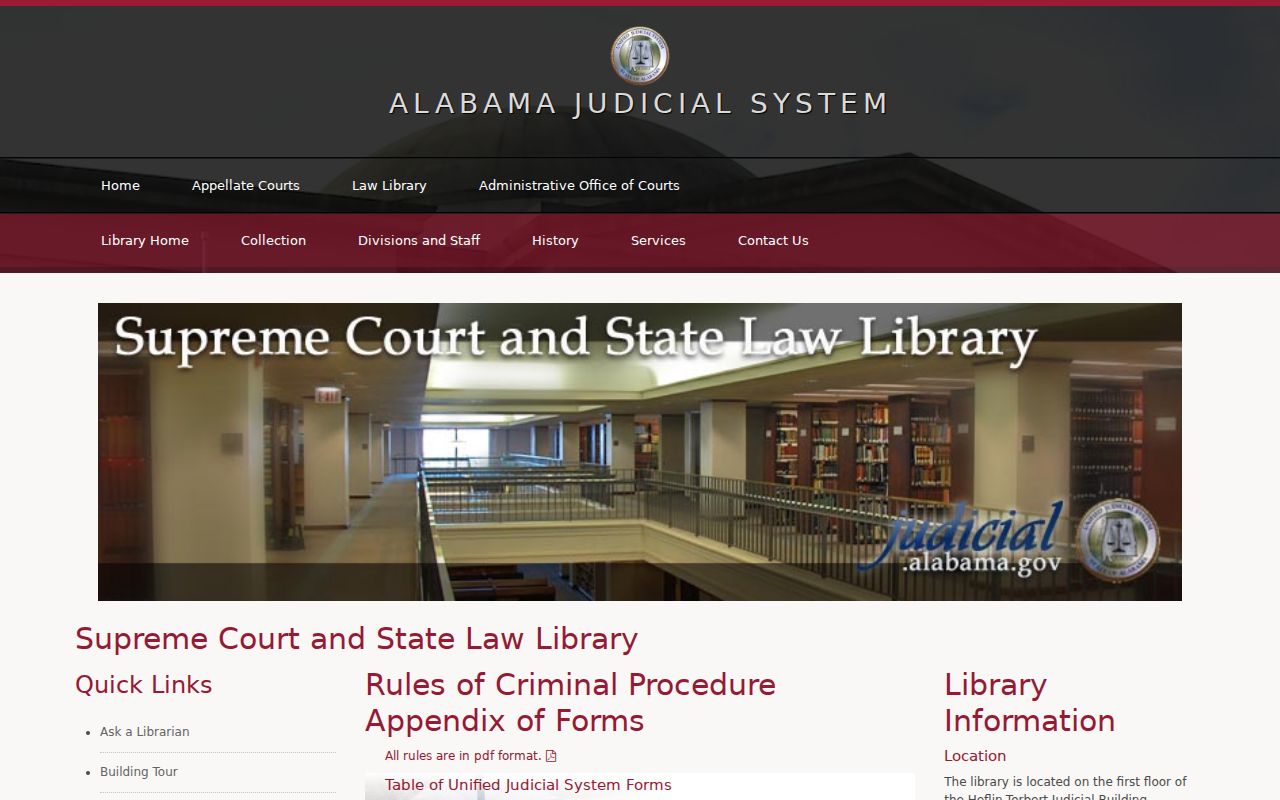
The official index separates an arrest-warrant form from the later failure-to-appear and bond forms. That distinction matters when reading it. An indexed form does not show whether a Sumter County warrant is active today. Juvenile and youthful-offender records carry added limits: Alabama Code §12-15-134 restricts juvenile law enforcement records, and §15-19-7 limits youthful-offender access. A blank public search result can therefore reflect law or system limits rather than proof that no warrant exists.
What to Do If There’s a Warrant for You
A Sumter County arrest warrant calls for a planned, lawful response. Start with advice, not a guess. The clerk can supply records and routing. Legal strategy is not the clerk's job. A lawyer can weigh whether your case calls for a motion, a court appearance, surrender, or bond. Sumter County publishes no local bond schedule, accepted payment methods, surrender entrance, or intake hours, so treat an unplanned walk-in as risky rather than routine.
- Confirm the court, case number, document type, and current status.
- Ask counsel about court-approved appearance, surrender, motion, and bond options.
- Verify location, timing, and required papers through official offices.
- Keep the release papers, receipt, order, and next court date.
Important: An active Sumter County arrest warrant can be served by law enforcement; get legal advice and official instructions before taking action.
Sumter Execution Is Not Clearing
Serving a Sumter County warrant is only one step in the process. Execution happens at arrest. The return records that event for the named clerk. Bond may permit release under conditions. Later court action resolves the charge or the other underlying matter, so none of these stages deserves a single "cleared" label without a court record. The official state county and city lookup displays public office contact fields relevant to Sumter routing.
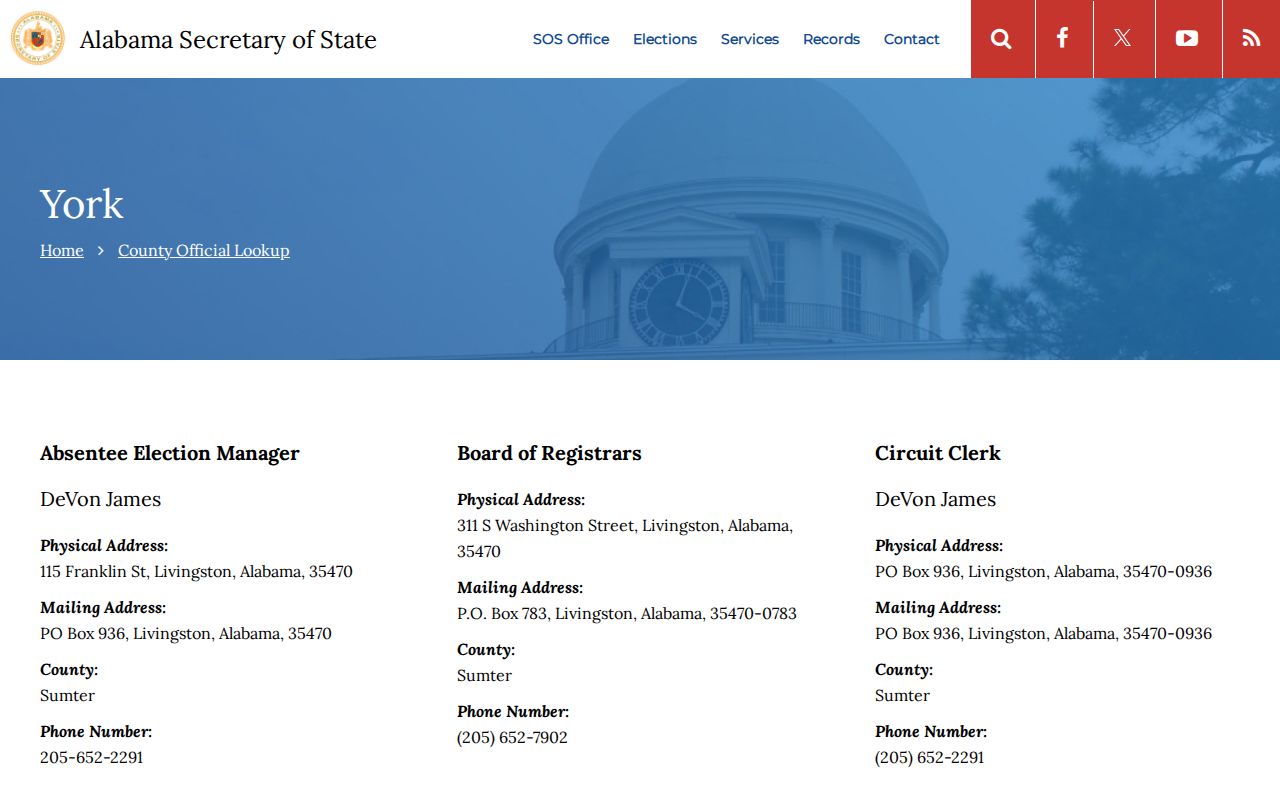
The office listing is a contact source, not an arrest warrant search and not a roster. After any court-approved action, ask the clerk where the Sumter County warrant stands. Is it active, served, recalled, or quashed? Has the return posted? If bond was part of the response, keep the order and follow every release condition. The broader Sumter County warrant records overview outlines how court and sheriff roles connect.
Note: Sumter County posts no amnesty day, safe-surrender event, roundup, or automatic warrant expiration rule.